

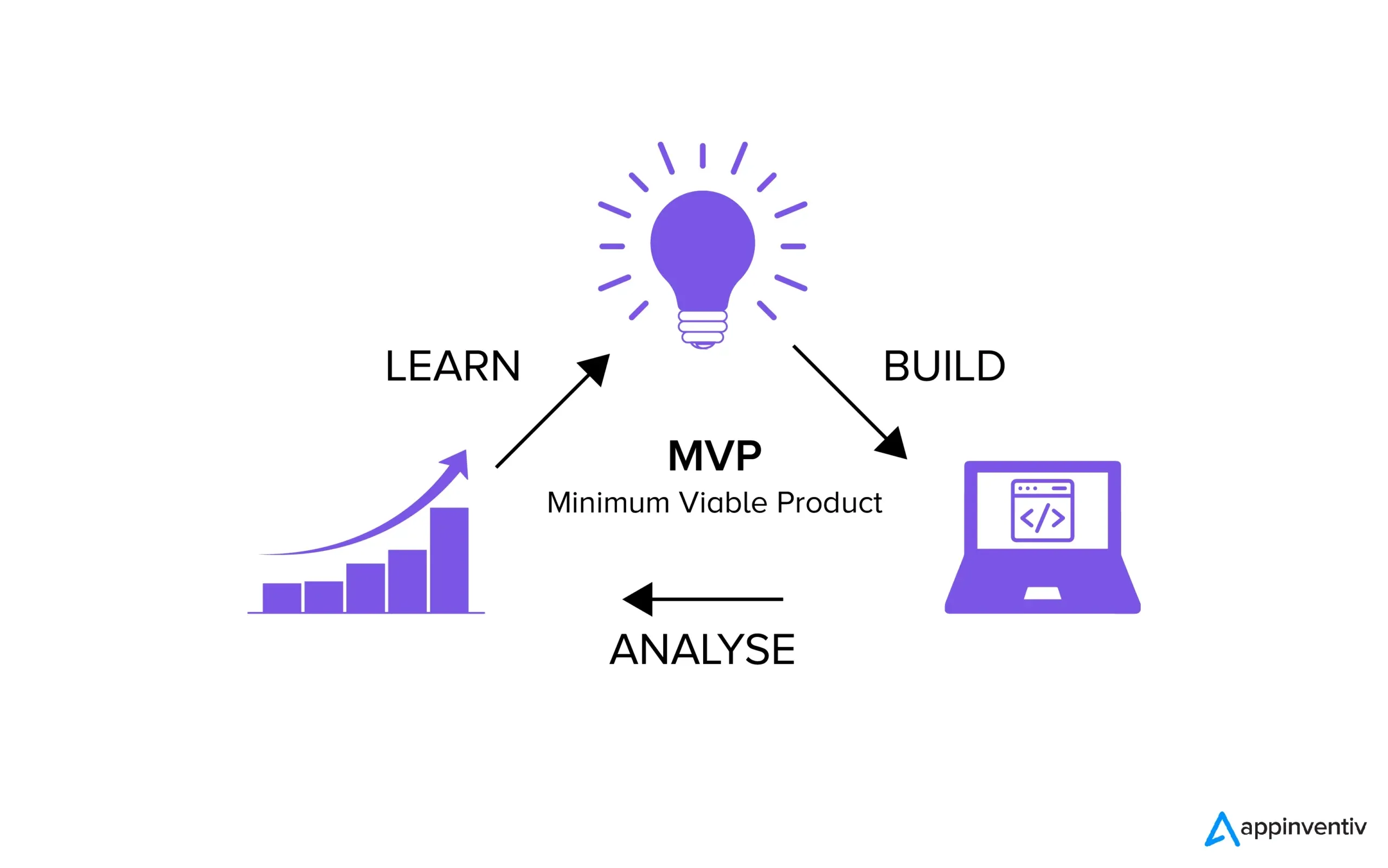
Launching an MVP (Minimum Viable Product) is just the beginning. The real challenge comes when your user base grows from hundreds to millions. Scaling a software product requires a strategic approach to architecture and infrastructure.
Cloud-Native Infrastructure
Using platforms like AWS or Google Cloud allows your infrastructure to grow dynamically. With auto-scaling groups, your servers automatically increase during traffic spikes and decrease during quiet periods to save costs.
Database Optimization
As your data grows, standard database queries can become slow. Techniques like indexing, caching (using Redis), and database sharding are essential to keep your application lightning-fast.
API First Design
Building an "API First" architecture ensures that as you add new platforms (like a mobile app or a wearable device), the core logic remains centralized and consistent. This makes scaling and maintenance much easier.
Monitoring and Error Tracking
You can't fix what you can't see. Professional scaling involves real-time monitoring tools that alert your team to performance bottlenecks before they affect the end user.